
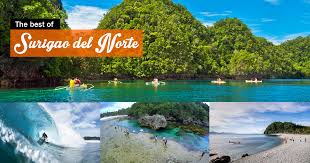
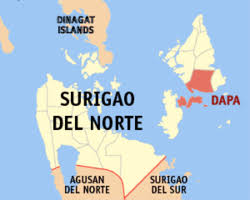
Surigao is a diverse and unique province that is rich in culture and tradition, consists of twenty municipalities and three hundred thirty five barangays all in all. The province of Surigao was derived from two words “Sur” which means South and “Agao” common name or an alias in visayan. Battle of Surigao Strait took place here on October 25, 1944, when the”cross the T” incident took place as American battleships fired their guns over Vice Admiral Shoji Nishimura’s Southern Force; nearly all of which,including the battleships Yamashiro and Fusō and others were sunk. Surigao was once a part of an old territory that existed in Northeasthern Mindanao and the” Calagans ” who were said to be of visayan origin called the territory Caraga. Antonio Pigafetta an explorer from the Republic of Venice by whom he has travelled with Ferdinand Magellan called Surigao then as Calagan which indicates the soul ( kalag ) and also states the braveness of people living in the particular land ( Gan ) . There were three existing versions on the naming of Surigao and eventually became rooted in the tradition of the people. Among the three, one popular legend brings out that Surigao is named after Rajah Solibao a Mamanwa chieftain who was searching for sanctuary and was struck by storm while he was fishing together with his companion in the sheltered waters of the place. Solibao and the others landed near the mouth of the river where the city is located today. When they discovered that the land was fertile and the existence of gold in the riverbanks washed down from nearby hills were present, they decided to stay and settle in the land. When the Spaniards came, it was already a rousing Barangay and they were told that Rajah Solibao was its king but due to native tongue they mistook this as the name of the village and called it Surigao. Currently, in the shadow of Surigao Cathedral found the said heart of the City in downtown. For over a hundred years the plaza still remains the centre piece of the City. In the Park, acacia trees were enhanced due to the park’s laid back Spanish period.
This article development highlights the different festivals that are present in Surigao Del Norte mainly the “Bonok-Bonok ” local festival which is performed once a year specifically held on September 10. The said festival shows off the thankfulness of the people through street parties and traditional ethnic dance rituals which they offer to God for abundance of harvest and a way of asking for excellent health. Along with the festivals that were celebrated in Surigao , a native delicacy were also shown like sayongsong, also other foods that are available in the province like kinilaw, and pot pot ginamos. Exploring Surigao City is also discussed in this article. Like the famous Mabua beach,Silop cave, Almont Beach resort in Lipata , Surigao City, and Dayasan floating village .Through this tourist attractions , it will somehow create changes in economic structure through tourism since culture and historical heritage have contributed a lot in attracting tourists. The use of culture as a tourist attraction actually increases support for traditional Surigao cultures and displays of ethnic identity which is also a way to rejuvenate history, arts, and festivals. Surigao City was considered the City of Island Adventures. As locals have shared, it was then mines after”Sulog” which means current and may also be coined from the Spanish work” surgir” or swift current with the waves, and winds coming for the Pacific. The official language in the City and province is certainly unique among visayan dialects which is called Surigaonon. It is somewhat similar with the language of Cebuanos but the people from Cebu would not fully understand the language of surigaonon probably because of the differences in stress, and intonation; consonant, and vowel sounds; and the distinctive rise, and fall in their conversations. There is no doubt Surigaonon existed as pure and distinct,slowly pelted overtime by Visayan words as migrants settled in the area. Surigao then was the Cabecera and the seat of government of the province of Caraga which had jurisdiction over Surigao, Butuan and Cagayan de Misamis (Cagayan de Oro). Alejandro(Jantoy) Gonzalez was the president of the Junta Provincial of Surigao during the time of the first flag hoisting. There’s a big risk and possibility that the cultural heritage of one’s place could eventually die out or disappear with our help. In able to safeguard these historical cultures and heritages, we need to share and transfer the knowledge, skills, and meanings of stories and signs are necessary.The current traditions, stories, beliefs, and rituals are preserved by which it is also part of our history that we need to treasure. The preservation of one’s cultural and historical heritage is very much important especially in identifying our identity and where we truly belong. It will somehow shape our values and beliefs when it comes to defining our national identity. Valuing traditions means we are capable of passing and inheriting the certain cultures and traditions to the next generation to come and will create pride and integrity within us , considering the emotions we feel if others appreciated the culture we possess and knowing that we belong to something. We belong to a country, a province, a tradition, and a way of life we tend to choose.B
Surigao city is also known as the city of island adventure, because of the clear and clean seas and high waves that will make your mind to think about tsunami but it’s just normal waves, but Surigao is not just know of their water adventure but instead they are more productive In terms of festivals, festivals are the thing that our ancient ancestors give us and now we still recognize the value of different festivals as well as the sources and histories. In Surigao city one of the festivals that truly appreciate the God given blessings of their city, is the “kinilaw (raw fish delicacy) festival held one very 2nd week of September at the center of Surigao city respectably. The celebration of kinilaw festival is focusing on the deferent styles of preparing kinilaw and it also features the variety of fish, sea foods, and other marineproducts in their locality.Another festival of Surigao city that represent the cultural heritage their city is the “sakay-sakay Abayan festival” or Fluvial procession held in every first day of the month of June. A procession as sea in honor of the patron saint of BarangayTaft, virgen de la Paz Y Buenviaje. The patroness of good voyage is carried abroad beautifully adorned lead vessel followed by colourful motorboats and bancas along the historic Surigao Strait. Here some festivals that truly a heritage and given importance by the surigaonon people.
Still in Surigao city,a meaningful and awaited festival of the surigaonons is the Lawigan Festival that held on May 14-15. The meaning of Lawigan in English is voyage or non-stop journey. The festival is celebrated by the Municipality of Loreto, Dinagat Island which is actually a Foundation day celebration. The highlights of the celebration are the Barangay Competition, Mutya Ng Loreto, Dragon Race, Field Dance and Float Parade Competition. There are also Agro- fishing seminars and trade fair.
Sto. Niño Shrine Barangay Serna, Is the historic sixteen (16) centuries old image of the SantoNiño, which was handed from the previous generations of the Sembranos Chappell eat the Barangay proper. 300 years old image has been lost yet mysteriously found
On January 14, 1996(the day of its feast during the Santo Niño Exhibit in Ayala center). The statue is believed to be miraculous and lagan (wanderer) with amorceko found sticking to His clothes on occasion.
Sto. Niño de Bad-asayFeast Day January 14 Barangay Serna Pilgrims and devotees from different places of the country come to celebrate its feast day with a thanksgiving mass in honor of the miraculous child Jesus followed with a “sirong” dance to offertheir prayers and petitions.
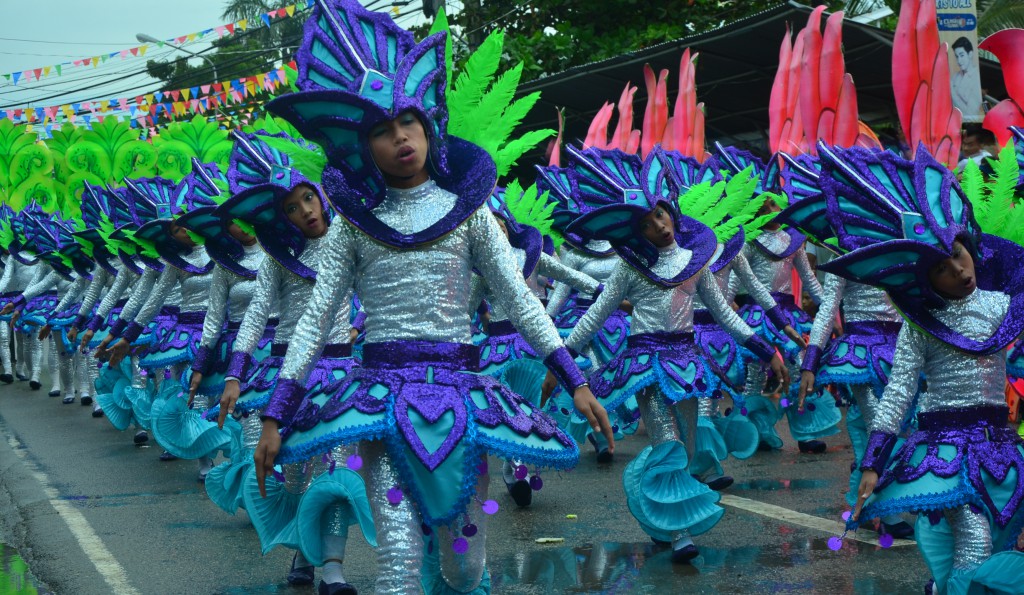
Bonok-Bonok Maradjao Karadjao Festival September 9 Surigao City A day-long Mardi grass marked by street dancing festivities featuring the ethnic Mamanwa dance. The festival is done in celebration of the annual fiesta honoring the city’s Patron Saint San Nicolas de Tolentino.
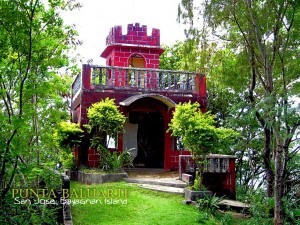
Aside from festivals, Surigao city has also a place that you feel relax and to be amaze the beauty of islands and seas as you can look above the sea level, they also know this place as “Punta Baluarte”. Punta Baluarte Barangay San Jose, It is a historical landmark which was the observatory point of the Spanish friars and later, by the Japanese during the Second World War. It is a hill overlooking the town of barangay. San Jose maroon castle replica marks it. Complementing the land mark are the brightly colour kiosks along the beach which served as an ideal picnic and resting areas. Punta Baluarte is in Barangay San Jose; about one hour ride from the city proper.
Surigao Strait, in Surigao City Water Channels The very witness to the liberation battle during the Second World War which shed lives of our co-Filipinos as they were liberated by the American troops from the Japanese occupation.
Sto. Niño Feast DayJanuary 15 Sto. Niño Shrine, Quano-Ceniza Heights A NINE (9) DAY Novena culminates in a procession/parade of different Sto. Niño around the city followed by thanksgiving mass and a celebration characterized by fireworks display and the Bonok-Bonok tribal dance.
Aside from its beautiful wonders of nature, Surigao also offers a wide range of delicacies forevery certified foodie. The province of Surigao del Norte is actually promoting the One Town One Product (OTOP) program of the government, offering a variety of locally produced handicrafts, and yes, even delicacies! These are sold both here and abroad. And all of these, because of the innovative and the love of Filipino to foods they come up in making this kinds of solution to hunger. This foods is just as example of the wide range and numbers of their food, with respect from their ancestors, allow me to give to some of this foods. Here are some of the best delicacies that Surigao has to offer.
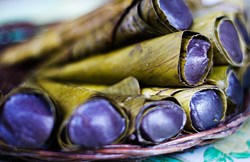
First is the so called“Sayongsong” This famous Surigao delicacy is a “kakanin” wrapped in bananal eaves with the colors and consistency of a “puto” or rice cake. It’s made upof glutinous rice, brown sugar, calamansi juice, roasted peanut, and coconut milk. Sayongsong comes out wrapped in banana leaves. Some people say it tastes like“puto” but with coconut milk. This can be easily found in public markets, foodstalls, and “pasalubong” shops. Most of the Surigaonon knew how to make the sayongsong because aside from this the easy to cook food, this also their proudly say that this the home made of surigaonon’s hand.
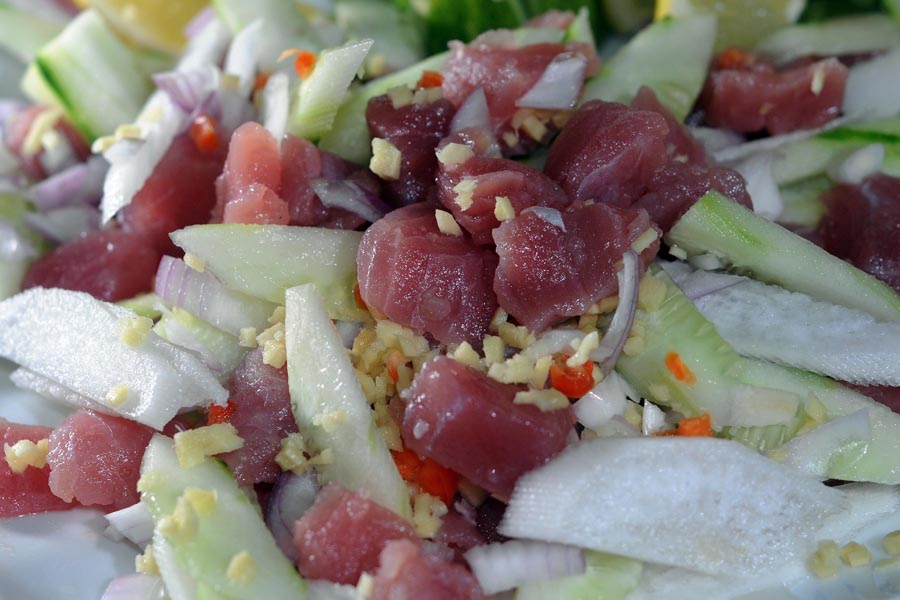
Next food of the surigaonon is the raw food or shall they say “kinilaw”. Kinilaw is a common dish for many provinces. What sets apart Surigao’s kinilaw among others is its exotic flavor. Travellers all over the world and within the country visit Surigao for its delicious kinilaw. This local delicacy is made of raw fish and it does not involve any form of cooking. To prepare this native cuisine, the people of Surigao de bone and wash the raw fishes and combine it with a number of condiments. The perfect mix of ginger, vinegar, onions, chili peppers, and salt makes this delicacy a haven for your taste buds. Some even use “hinatuan,”a type of wild onion to add more spice to this mouth-watering cuisine.
This next food is derived is made by their abundant resources along with the seas around this place, the call it Poot-Poot Ginamos. This delicacy is unfamiliar to tourists and even Filipinos coming from Manila. Poot poot ginamos is a unique and tasty treat from Surigao. This flavourful delicacy is made of small fishes locally known as poot poot. This type of fish can only be found in Philippine shores.This fish specialty comes with fermented fish sauce which is very cheap, makingit even more popular to tourists! One jar of poot poot ginamos costs less thana hundred pesos. So chip but yet it so delicious, this is a must-try for every Surigao visitor.
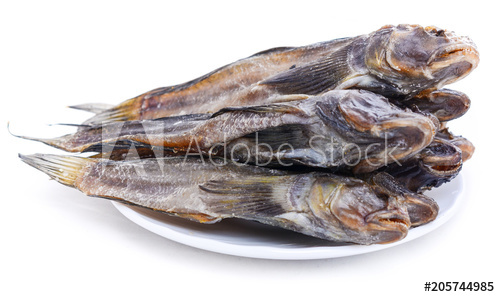
Surigao is Rich in terms of fish, in fact many foods are Ade up or the main ingredient is fish,example of this is Dried Pijanga Also known as “white goby,” this first class dried fish comes from Lake Mainit in Surigao del Norte. Lake Mainit is the country’s fourth largest lake and the province’s most significant body of water filled with freshwater fauna such as carp, tilapia, catfish, and the famous pijanga. This delicacy has a special story because it’s produced from the efforts of the rural agrarian reform community of Surigao. Tourists and locals bring this home frequently because of its unique taste.
Surigao is a place of adventure for every traveller and food explorer. Aside from the many activities you can do, you can reward yourself with great food after a long day ofthrilling escapades. These delicacies are just a glimpse of the variety of local treats you can enjoy in Surigao. For the adventurer in you, Surigao is truly worth the travel.
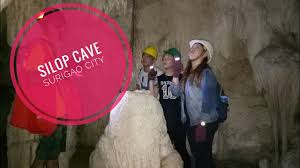
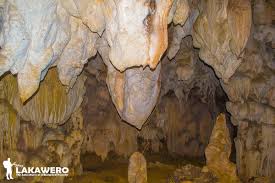
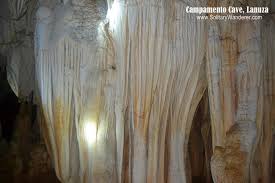
Silop Cave is located in Barangay Silop, 9.7 kilometers far from the City of Surigao approximately 15 minutes ride. It is a massive cave system with a 6 caves to be exact. The 6th cave has not even been explored. Cave 1 is not for tourists, it’s heavy on bat dung, deep with low oxygen levels and there is a healthy snake population. However for the caver there is silop cave. It has different cave entrances leading to four big chambers with impressive limestone formations, stalagmites and stalactites some of them creating awesome columns.The adventure to Silop Cave starts with a passage through the jungle. The path is slippery and muddy. Caving always involves a lot of mud, slippery woods and limestones, and sharp rocks. The cave has its 12 different entrances and it also consist of 4 caves.There are dozens of caves and other limestone karst bedrockin some areas in Surigao Del Norte features, but none of these are regular destinations for recreational cavers. This place makes you amaze as you go along, you will experience uncommon site of cave especially experience unforgettable sparking site in real eyes that will treasure the moment.
Almont Beach Resort inLipata, Surigao City.The heaven was part of it as you take the visit to the place which has the oldname Maharlika Training Center. Itis the man-made figure because of five star hotel amenities, 3-storey building beautifully crafted in the hands of engineers pasted excellent in the wall of mountains. The luxury hotel somewhat embracing in a God-made steep mountain blending like a natural thing facing the historic ocean breeze which we call it the never fading revelations the Battle of Surigao Strait. Because for the sakeof history, the battle claimed hundreds of thousands of lives between the American and Filipino soldiers against from advancing Japanese Imperial Army in World War II. This place feels you comfortable because of the designs andambiance, it is the right place for relaxing with natural environment outside.
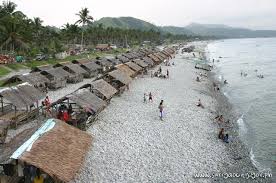
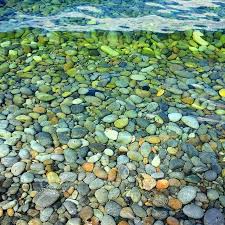
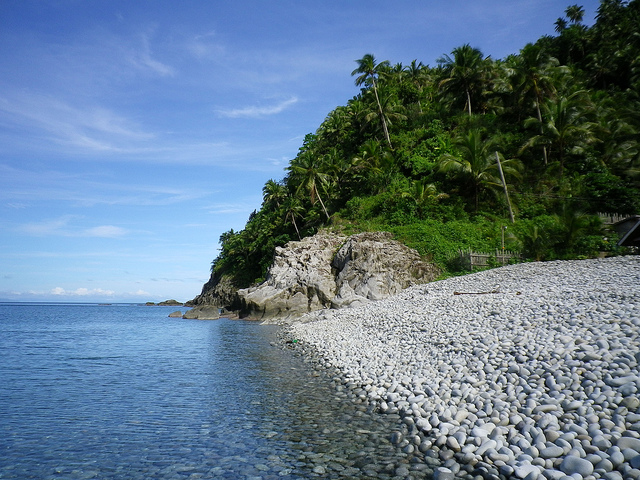
Mabua Pebble Beach, located 30 minutes from the city center of Surigao, Mabua Pebble Beach is unique among many of the Filipino beaches due to its multitude of smooth white pebbles that make up its shoreline. Mabua Pebble Beach is a shoreline with a kilometre-long stretch of smooth, multi-sized pebbles. There are almost no sands and filled with beautiful pebble rocks in this part of Surigao City. The beach’s shoreline is completely composed of smooth stones, mostly in white colors and of different sizes. In mindanao-tour-mabua-pebble-beach are formed through the movement of sediment influenced by the wind, waves and currents, Mabua Pebble Beach’s unique composition was most likely formed by very strong forward splashing waves that forced the pebble material to be driven on shore, and weaker return swashing waves that caused the material to be deposited. The countless number of smooth pebbles that make up Mabua Pebble Beach, each varying in different sizes and shapes although the majority tend to be oval also serve another, albeit different, purpose. Walking barefoot on the smooth stones, According to reflexologists, “It has a strong impact on the body, as the feet have reflexpoints that are connected to our internal organs, making this beach both stunning and therapeutic”. Attracting both local and foreign tourists, visitors are impressed with the clear and cool waters that make this unreal place ideal for swimming and jet skiing. If you are lucky enough to catch the big waves, you can go surfing or windsurfing. The rock outcrop at the end of the beach is an easy climb and promises to give you a frightening but spectacular view. It is a great vantage point for the rest of the beach and even the mountains beyond. Mabua Pebble Beach is the paradise of photographers who are captivated by sunset. Mabua Pebble Beach is situated in Barangay Mabua and can be reached via a 30-minute drive from Surigao Del Norte City center. Get off at the Mt. Bagarabon Beach Hotel and Mountain Resort and make your way past their Hajahay Suites towards the pebble shore. There are the carved steps off the side of as mall hill, climb the steps and on the other side of the hill is the pebble beach. If you don’t prefer to walk, you may rent a banca (small fishing boat)to take you to the pebble be a TORRENTER Ach.
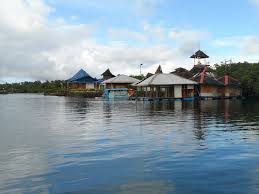
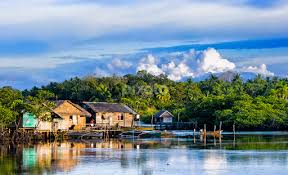
Day-Asan Floating Village the stilts shows watermarks, and signs that dryness is but only a meter to a few inches for these locals. Day-Asan Floating Village also known as the “Little Venice of Surigao City” is not only a residential area but also a community that thrives on livelihood on the sea.Seven kilometers from the city proper of Surigao, it is also the jump off point for boat tours for a swim, and island hopping around the neighbouring islands,and islets. Day-Asan is a village of stilts, and residences on the water, and shoreline. Where some would find comfort building their homes in landlocked areas, a few would build theirs in water vicinity for the love of it, and for livelihood. The water, and blue skies were inviting spelunking at Silop Caves.As the mass of greens from mangroves forest breaks the waters from the sea, the tides ebbs makes its presence known by the water levels in these channels. The mangrove forest not only helps in sustaining marine life, and diversity in the area, it also barricades the current from the sea. Boating tour is expected to be of narrow channels for boats to pass, clear water inviting enough for a swim, and calm water surface that seem enchanting.Instead of road you will find shallow water lanes, and enough mangrove clearings for fish, or lobster pens if not houses, or resorts. Further out ofthe mangroves takes you out into the Panag Bay where there are islets you can stop over at for lunch, or snack, beach combing, or for some swim. Take a break, and walk around the islet. The water was so clear the corals under the water is beautiful to see with the fish living. Day Asan floating village is a place who has a lot of things to experience with the beautifulness of itself.Seeing a floating community with a beautiful environment and also taking different kind of activities.
Cultural heritage gives people a connection to certain social values,beliefs, religions and customs. Therefore, unity exists within a group or society that allows us to better understand the previous generations and the history of where we come from. However, this is also considered as a vital that should be preserved for our future generations. We’re all curious about the history or why does that particular thing exists? What came before us? Or how we can manage the retention of cultural heritage?
According to Maureen O’Hara, “Our Cultural Heritage has been our grounding and it has brought us peace”. The best foundation of what we are now is our cultural heritage that also reflects of how we are strong enough to conquer all the grudges and challenges that we’ve experienced from the past. It really contributes to the quality of individual’s life. We’re all responsible and obliged to do some actions to preserve our cultural heritage because it has a significant role in protecting the environment, creating vibrant communities and sustaining local economies. We are the heritage manager. We should share this precious gift to one another. Cultural heritage and natural history of a nation has a very high value and is unique. It is an identity that can be introduced to the world. Our integrity as a people will be strengthen and we’ll be able to help one another if we only learned to preserve, care, respect and promote our cultural heritage.
How can we safeguard and manage a heritage that is constantly changing and part of ‘living culture’ without freezing or trivialising it? To preserve our Culture, heritage and tradition in culturally diverse society is, we need safeguarding, which take processes involved in transmitting, or communicating intangible cultural heritage from generation to generation. We need it because we don’t know if eventually, the cultural heritage,especially the intangible certain elements could just disappear without our help that’s why we should be knowledgeable enough to avoid this risk.Safeguarding them is about the transferring of knowledge, skills and meaning to everyone. We live in this fragile society, all we need is our warm respect to our heritage for it is an important factor in maintaining cultural diversity in the face of growing globalisation. On the other hand, we have different foundations, and grounds from what we are now. Understanding the cultural heritage of different communities wholeheartedly encourages mutual respect for other ways of life.
“A concerted effort to preserve our heritage is a vital link to our cultural,educational, aesthetic, inspirational and economic legacies” – Steve Berry. He says that all of the things that quite literally make us who we are. Indeed,the appreciation of cultural heritage should be communicated through an integrated education approach in this global society. All people should been couraged that, through education, we can sustain the preservation of cultural heritage. There is also a media who plays a significant role in preservation of heritage because it helps us to be able to share cultural and historical heritage around the world. Digital technology like computers are helping in disseminating our own heritage which could serve as an inspiration to any people. It is not only the most popular method of preservation, but it is the trend for the future. Let our culture,history and heritage be the trend in our society. It can affect to our perspectives, principles, vision and quality of life. Cultural heritage resides in our hearts and soul if we live it sincerely.
In environmental aspect, it is recognised that the retention of heritage has environmental sustainability benefits though our environment is a heritage and a legacy that we inherited. Our environment can also benefit, example is the conserving heritage buildings which reduces energy usage associated with demolition, waste disposal and new construction, and promotes sustainable development by conserving the embodied energy in the existing buildings.Cultural heritage is under attack from environmental degradation and climate change, from socioeconomic pressures and the accelerating pace of urbanisation,from the strains of global tourism. Therefore, it could also improve our environment if we only manage it responsibly.
Cultural rights are human rights that aim at assuring the enjoyment of culture and its components in conditions of equality,human dignity and non-discrimination. They are rights related to themes such as language; cultural and artistic production; participation in cultural life;cultural heritage; intellectual property rights; author’s rights; minorities and access to culture, among others. Therefore, we have the right to live with our cultural heritage and the best way to preserve it, whatever it may be, is to share it with others. All persons with a particular cultural, religious, racialor linguistic background must not be denied the right, in community with other persons of that background, to enjoy his or her culture, to declare and practise his or her religion and to use his or her language. Our future generations will be the hope if ever we have failed to care with it.Safeguarding is the best intervention. Culture and its heritage reflect and shape values, beliefs, and aspirations, thereby defining a people’s national identity. Living with it shapes of what we are and who we are in the present that could brought us to a better future as well as for the next generation.
We deserve to enjoy our own culture and heritage. Each of us has worth and human dignity that culture could help us to find ourselves if we only value it as a core part of our national identity. We share the responsibility to identify and respect what is important and pass on these places to future generations so they will understand what came before them. All people in a particular community have a role to play in ensuring that the valuable asset of our heritage is recognised, respected and promoted. There are many ways to promote our heritage. Sharing it with others that can help them to go through with their lives because it might give them realizations. To give respect to our cultural heritage is also a vital way to retention. We should be thankful of its contributions. Grateful of what we can benefit from meaningless part of living until it becomes a meaningful one. “Tangkilikin ang sariling atin” is usually what we missed, we prefer more the other nation’s heritage than our own cultural heritage. We should understand more how important and valuable it is because as time goes by, generation to generations, there are constantly changes about our treatment with others especially to our own culture and heritage. Living with it is the most important thing. Sharing it with others really reflects to their lives. Therefore, unity and belonging in a community are some of the contributions of it. We should preserve, promote and respect our cultural heritage.

 Surigao del Norte Cultural Heritage